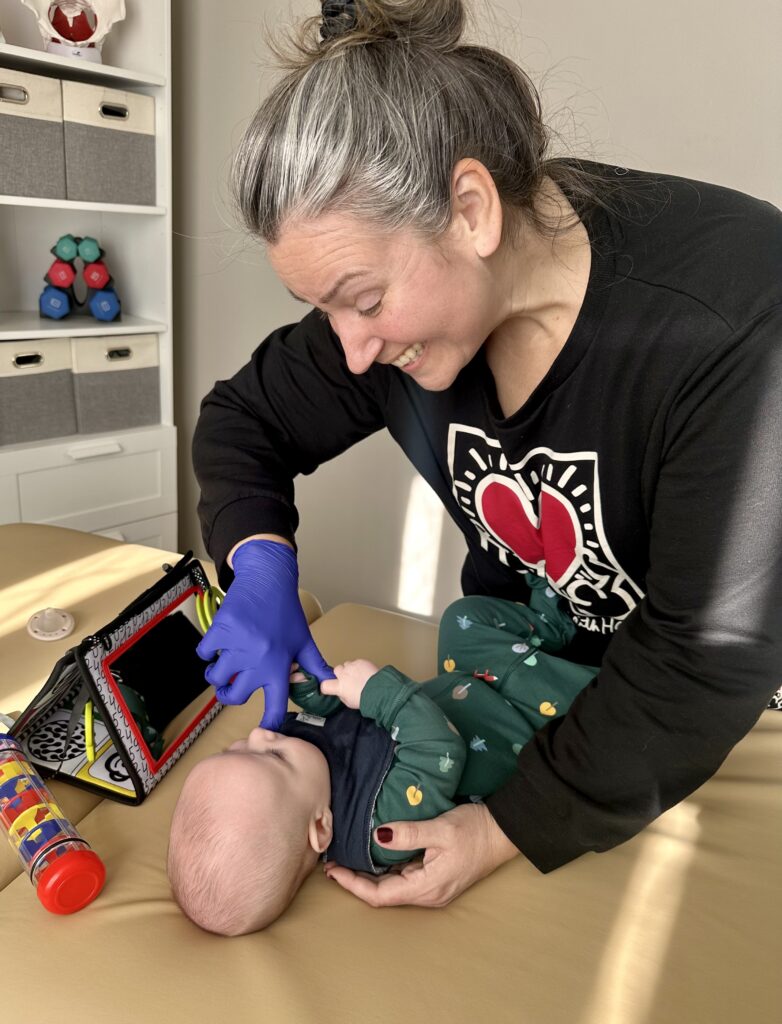
The Gillespie Approach, also known as Craniosacral Fascial Therapy (CFT), is a gentle, non-invasive bodywork modality developed by Dr. Barry Gillespie. It is based on the theory that the craniosacral and fascial systems are interconnected and that releasing tension in this combined network can resolve various health conditions.
Self-Healing: The primary principle is that “the body knows best how to heal itself.” The therapist’s role is to “listen” and support the body as it self-corrects. This is why the therapy has very few contraindications and why it can be done with newborns through end of life.
The Craniosacral Fascial System: Dr. Gillespie proposes that the brain and spinal cord have a natural expansion/contraction cycle (the “Brain Cycle”) that pumps cerebrospinal fluid through the body’s fascial web. When the fascia is tight or strained due to trauma, the flow of CSF is restricted, which can cause a multitude of health issues.
Trauma Storage: The approach supports the understanding that the body’s fascia remembers and holds every physical and emotional trauma dating back to conception, particularly birth trauma.
FAQs
What is CFT and how does it differ from CST?
It is a “marriage” of three elements: Craniosacral Therapy, John Barnes’ Myofascial Release, and dental techniques developed by Dr. Barry Gillespie. It explicitly emphasizes that if the fascial web remains tight, traditional CST may have little to no effect.
Craniosacral Therapy (CST): Focuses primarily on the craniosacral system, which includes the bones of the skull (cranium), the spine, the sacrum, and the membranes and cerebrospinal fluid (CSF) that surround and protect the brain and spinal cord.
Craniosacral Fascial Therapy (CFT): Addresses the interconnected craniosacral and fascial systems as a single unit. It extends beyond the central nervous system to include the full-body fascial web–the connective tissue that envelopes all muscles, organs, and bones.
What does a CFT session look like?
We start by talking through your history, including chronic pain, surgeries, birth (your own & if you have children), and more! During the 60 minute session, you stay fully clothed. Much of the treatment can be done laying on your back, or semi-reclining, if pregnant, but there will be times where sitting up, or even standing helps you unwind what the body needs to release. The session is deeply relaxing, activating the parasympathetic nervous system, and it is common for people to “need a minute” before jumping in their car to drive off!
Will I just lay still for the entire session? What if you’re treating a baby?
During a Craniosacral Fascial Therapy (CFT) treatment, your movement will be largely body-led and spontaneous, a process often referred to as “unwinding.” As the therapist identifies and supports areas of restriction, your body may naturally begin to stretch, twist, or shift positions to “unwind” deep-seated strain. Unlike traditional massage where you remain still, CFT encourages your body to release stored tension through natural, intuitive motions. In infants, this is known as Infant-Driven Movement (IDM), where the therapist follows the baby’s natural stretching and twisting to release deep fascial strain
Who can benefit from CFT?
Everyone!
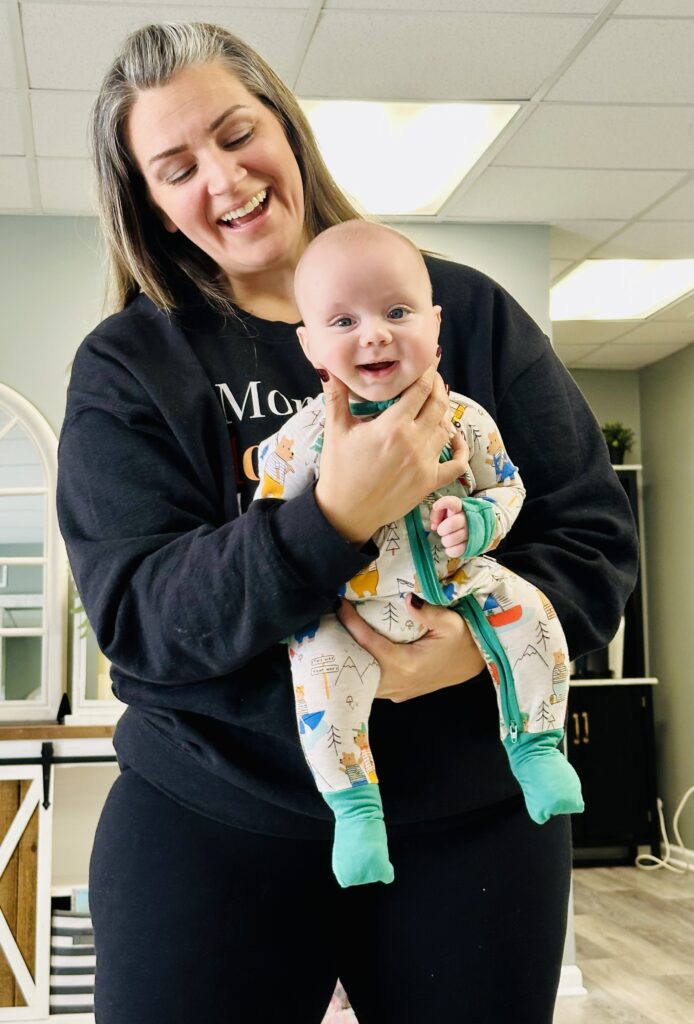
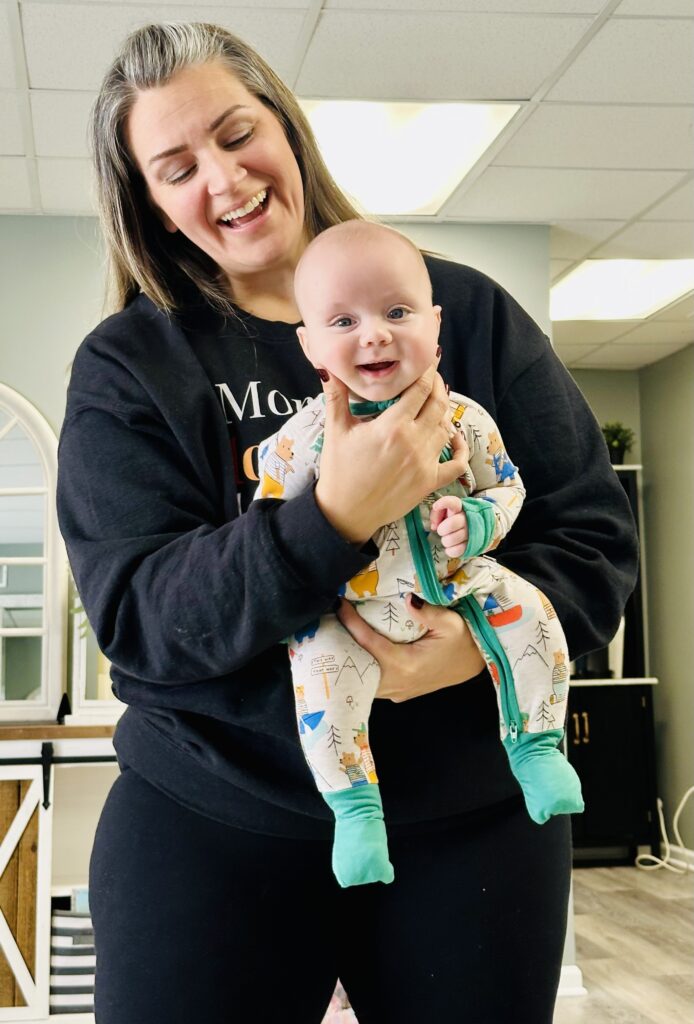
Infants: Used to treat conditions such as colic, reflux, nursing/latch issues, torticollis, general tightness and sleep problems.
Children and Adults: Aimed at addressing chronic pain, headaches, migraines, TMJ, and the long-term effects of past traumas.